

Clean beauty is everywhere these days and the market is packed with products promising safer, healthier skin. Yet despite all those green leaf labels and cheerful claims, over 80 percent of cosmetics sold in the US still contain ingredients flagged for potential health risks. Surprised? The real story is that only third-party clean beauty certifications offer real protection—not clever marketing. This changes how you look at every bottle on your shelf.
Table of Contents
- Defining Clean Beauty Certification: What It Is
- The Importance of Clean Beauty Certification for Consumers
- How Clean Beauty Certifications Work: Standards and Practices
- Key Benefits of Choosing Certified Clean Beauty Products
- Navigating the Clean Beauty Landscape: Recognizing Certifications
Quick Summary
| Takeaway | Explanation |
|---|---|
| Clean beauty certification ensures product safety. | It verifies that cosmetics meet strict health and environmental criteria, promoting safer consumer choices. |
| Choosing certified products protects your health. | Certified products minimize exposure to harmful ingredients, reducing risks of skin irritation and long-term health effects. |
| Empowers consumers with transparency. | Certifications provide insights into ingredient safety and ethical production, allowing informed purchasing decisions. |
| Supports ethical and sustainable practices. | By opting for certified clean beauty, consumers encourage brands to adopt environmentally responsible manufacturing and sourcing. |
| Recognize genuine certifications. | Not all certifications are equal; look for third-party validation and extensive compliance checks for credibility. |
Defining Clean Beauty Certification: What It Is
Clean beauty certification represents a critical quality assurance process in the cosmetic and skincare industry, establishing rigorous standards that prioritize consumer health and environmental sustainability. This comprehensive verification system goes beyond traditional product labeling, offering consumers transparent insight into the safety and ethical standards of their personal care products.
The Core Definition
At its fundamental level, clean beauty certification is a third-party validation process that thoroughly examines skincare and cosmetic products to ensure they meet specific health, safety, and environmental criteria. According to research from the Environmental Working Group, these certifications focus on eliminating ingredients associated with potential adverse health effects.
The certification process typically involves detailed evaluations of product ingredients, manufacturing practices, and overall environmental impact. Key aspects of this verification include:
- Screening for toxic or harmful chemical compounds
- Assessing ingredient sourcing and sustainability practices
- Verifying product safety through comprehensive testing protocols
- Ensuring ethical production and transparent supply chains
Why Certification Matters
Certification provides critical protection for consumers navigating an increasingly complex beauty marketplace. Scientific research from the National Institutes of Health highlights the growing importance of understanding product ingredients and their potential long-term health implications.
For consumers interested in diving deeper into clean beauty principles, our comprehensive guide offers extensive insights into the world of safe, sustainable skincare. By choosing certified clean beauty products, individuals can make informed decisions that protect both personal health and environmental well-being.
The Importance of Clean Beauty Certification for Consumers
Clean beauty certification has emerged as a crucial mechanism for consumer protection and informed purchasing in the rapidly evolving skincare and cosmetics landscape. By providing comprehensive transparency about product ingredients and manufacturing processes, these certifications empower individuals to make healthier, more conscientious choices about the personal care products they use.
Protecting Consumer Health
Certifications play a critical role in safeguarding consumer health by systematically screening and eliminating potentially harmful ingredients. According to the National Institute of Environmental Health Sciences, clean beauty certifications help reduce exposure to endocrine disruptors, irritants, and allergens that may be present in unregulated beauty products.
Key health protection mechanisms include:
- Rigorous screening of chemical compounds linked to long-term health risks
- Identifying and excluding ingredients with potential hormone-disrupting properties
- Ensuring products meet stringent safety standards beyond minimal regulatory requirements
- Providing detailed ingredient transparency for consumers with specific health concerns
Empowering Consumer Choice
Beyond health protection, clean beauty certifications democratize information about product composition. Consumers gain unprecedented insight into the complex world of skincare ingredients, enabling them to make educated decisions aligned with their personal health goals, ethical standards, and environmental values.
This empowerment extends beyond individual health considerations, encompassing broader sustainability and ethical production concerns. By choosing certified products, consumers actively support brands committed to responsible manufacturing, environmentally friendly practices, and transparent supply chains.
Learn more about our commitment to clean beauty principles, and discover how certification transforms the way we approach personal care products. Understanding these certifications is not just about selecting safer products it is about participating in a global movement towards more responsible, transparent, and health-conscious consumer practices.
How Clean Beauty Certifications Work: Standards and Practices
Clean beauty certifications represent a sophisticated system of quality assurance that goes far beyond simple product labeling. These rigorous frameworks establish comprehensive guidelines to verify the safety, sustainability, and ethical production of personal care products through multi-layered assessment processes.
Certification Assessment Criteria
The certification process involves an intricate evaluation of multiple product dimensions. Comprehensive ingredient analysis forms the cornerstone of these assessments, where every component is meticulously scrutinized for potential health and environmental implications. According to research from the National Institutes of Health, certification processes typically involve detailed audits, documentary reviews, and ongoing compliance checks to ensure adherence to evolving industry standards.
Key assessment criteria include:
- Chemical composition and potential toxicity of individual ingredients
- Sourcing practices and supply chain transparency
- Manufacturing environmental impact
- Potential long-term health risks associated with product components
- Alignment with current scientific research on ingredient safety
Verification and Compliance Mechanisms
Certification bodies employ sophisticated verification techniques to validate product claims. These methods extend beyond surface-level documentation, involving laboratory testing, ingredient tracing, and periodic re-evaluations to maintain certification status.
Stringent verification processes ensure that brands cannot simply claim clean beauty status without substantive evidence. This approach protects consumers by creating a robust framework of accountability that requires continuous commitment to safety and transparency.
This table outlines the key criteria and verification mechanisms that define clean beauty certifications, offering a clear look at what each assessment step covers.
| Assessment Criteria | Description |
|---|---|
| Chemical Composition and Toxicity | Screen for harmful or toxic ingredients |
| Sourcing Practices and Transparency | Evaluate ingredient origin and supply chain |
| Environmental Impact | Assess manufacturing and sourcing sustainability |
| Long-Term Health Risk Analysis | Examine potential chronic health effects |
| Scientific Research Alignment | Ensure consistency with latest research findings |
| Laboratory Testing and Ingredient Tracing | Independent product and ingredient verification |
| Ongoing Compliance Checks | Regular audits to maintain certification status |
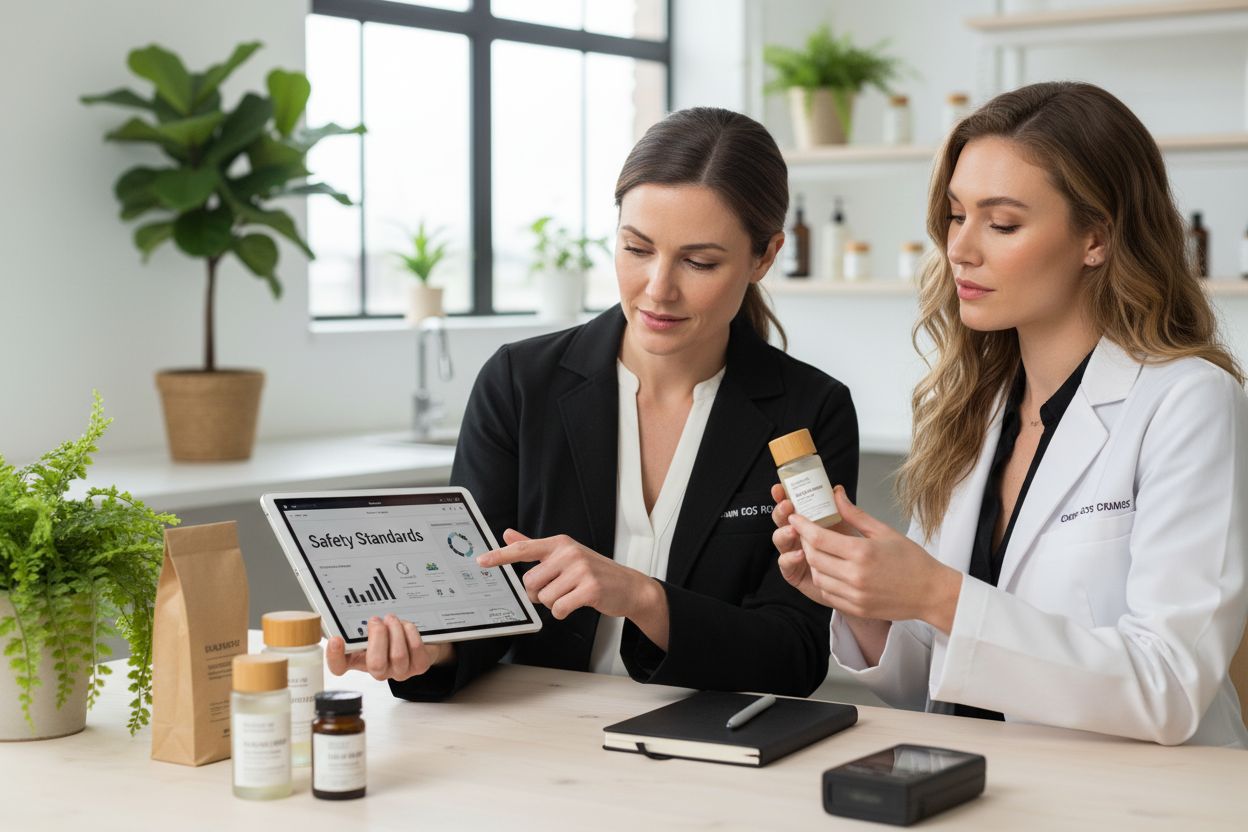
Explore our comprehensive guide to understanding clean beauty standards and discover how these meticulous certification processes protect consumer health and promote industry-wide innovation in sustainable, responsible product development.
Key Benefits of Choosing Certified Clean Beauty Products
Certified clean beauty products represent far more than a passing trend they are a profound commitment to personal health, environmental sustainability, and ethical consumer practices. By selecting products with rigorous third-party certifications, individuals can transform their skincare routine into a powerful statement of wellness and conscious consumption.
Personal Health Protection
Minimizing potential health risks is the primary advantage of choosing certified clean beauty products. According to research from the National Institutes of Health, certified products significantly lower the risk of skin irritation and allergic reactions by systematically excluding synthetics, parabens, phthalates, and known allergens.
Key health benefits include:
- Reduced exposure to potentially harmful chemical compounds
- Lower likelihood of skin sensitivity and adverse reactions
- Enhanced dermatological safety through comprehensive ingredient screening
- Support for long-term skin health and cellular wellness
Environmental and Ethical Impact
Beyond personal health, certified clean beauty products contribute to broader ecological preservation. Conscious consumer choices drive industry-wide transformation, encouraging brands to adopt more sustainable and environmentally responsible manufacturing practices.
By supporting certified products, consumers actively participate in:
- Reducing chemical pollution in manufacturing processes
- Supporting ethical supply chains and fair labor practices
- Promoting biodiversity through responsible ingredient sourcing
- Encouraging transparency and accountability in the beauty industry
Learn how to make a seamless transition to clean beauty and discover the profound impact of your skincare choices. Certified clean beauty is not just about what you apply to your skin it is a holistic approach to personal wellness and global responsibility.
Navigating the Clean Beauty Landscape: Recognizing Certifications
The clean beauty certification landscape is complex and multifaceted, presenting consumers with a diverse array of standards and verification processes. Understanding these certifications requires careful navigation and a discerning approach to interpreting product labels and claims.
Major Certification Categories
Clean beauty certifications are not monolithic but represent a spectrum of standards addressing different aspects of product safety and ethical production. These certifications can be broadly categorized based on their primary focus and verification methodology.
Below is a summary table comparing the main types of clean beauty certifications discussed in the article, to help clarify their distinct areas of focus and impact.
| Certification Category | Primary Focus | Key Verification Aspect |
|---|---|---|
| Health and Safety Focused Certifications | Ingredient safety and toxicity | Eliminates harmful chemicals |
| Environmental Sustainability Certifications | Environmental impact | Sustainable sourcing and eco-friendly practices |
| Ethical Production and Sourcing Standards | Labor and supply chain ethics | Fair labor, transparent supply chains |
| Organic and Natural Ingredient Verifications | Ingredient purity | Verified organic and natural content |
| Cruelty-Free and Animal Welfare Endorsements | Animal testing policies | No animal testing, animal welfare assured |
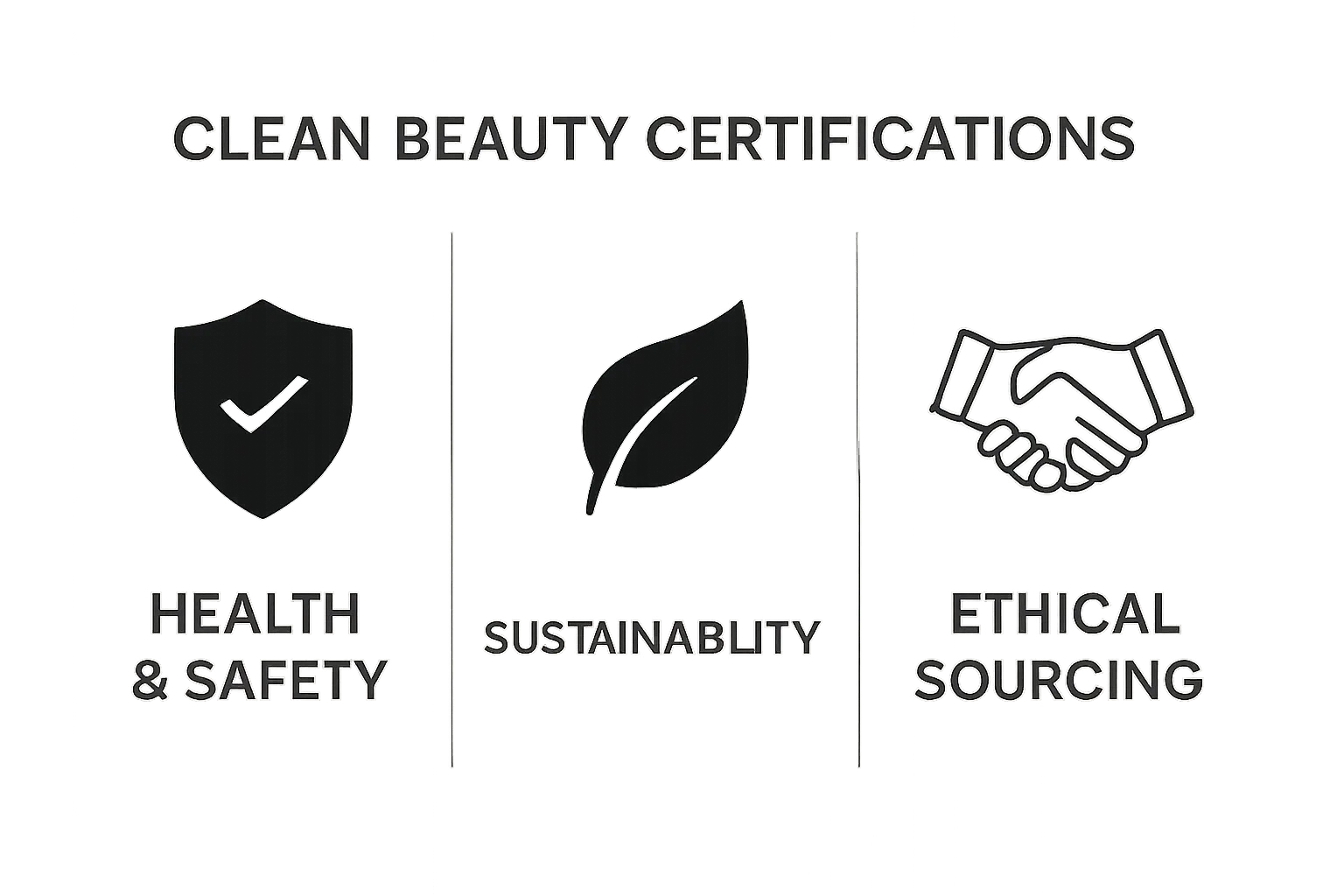
Key certification categories include:
- Health and Safety Focused Certifications
- Environmental Sustainability Certifications
- Ethical Production and Sourcing Standards
- Organic and Natural Ingredient Verifications
- Cruelty-Free and Animal Welfare Endorsements
Decoding Certification Labels
Understanding the nuanced world of skincare labels requires consumers to develop critical reading skills. Not all certifications carry equal weight, and some marketing claims might appear more robust than their actual verification processes.
Consumers should pay attention to:
- The specific body issuing the certification
- Depth of ingredient screening
- Transparency of verification processes
- Ongoing compliance requirements
- International recognition of the certification standard
The most reliable certifications typically involve rigorous, third-party assessments that go beyond surface-level claims. They demand comprehensive documentation, periodic audits, and demonstrate a commitment to continuous improvement in product safety and sustainability.
Choose Clean Beauty That Delivers What Certification Promises
After learning about the importance of clean beauty certification, you might feel overwhelmed by confusing labels and complicated ingredient lists. With industry jargon and hidden chemicals everywhere, finding truly clean, certified products that actually work for your skin can be challenging. Belle Vie understands the need for safety, transparency, and authentic results just like the standards discussed in the article. Our collections of natural skincare and face care essentials bring those strict, trustworthy standards to your daily routine.
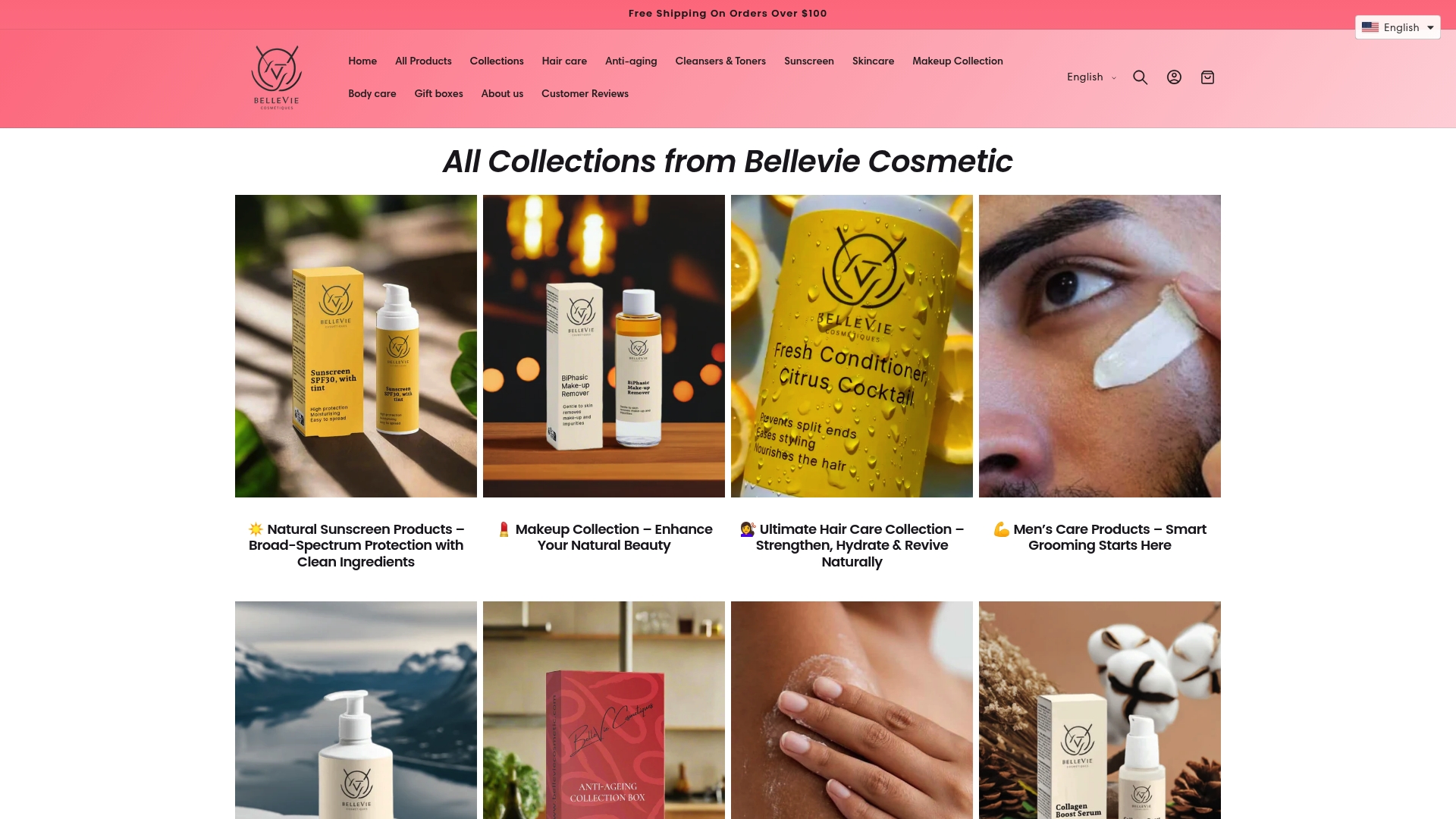
Ready to say goodbye to worries about what you are putting on your skin? Visit belleviecosmetic.com/collections to find science-backed options that are certified natural and organic, with nothing to hide. Shop now and enjoy free fast shipping, plus a complimentary $25 skincare gift if you subscribe and spend $60. Clean beauty is easy when you choose a brand that values both your health and your peace of mind.
Frequently Asked Questions
What is clean beauty certification?
Clean beauty certification is a third-party validation process that examines cosmetic and skincare products to ensure they meet specific health, safety, and environmental criteria, providing transparency about the ingredients and ethical practices used.
Why is clean beauty certification important for consumers?
Clean beauty certification is important as it protects consumer health by screening out potentially harmful ingredients and promotes informed purchasing, enabling individuals to make choices aligned with their health goals and environmental values.
How do clean beauty certifications work?
Clean beauty certifications involve a comprehensive evaluation of product ingredients, sourcing practices, environmental impact, and safety testing. These processes include rigorous screening for toxic compounds and ongoing compliance checks to ensure brands adhere to high standards.
What are the main benefits of choosing certified clean beauty products?
Choosing certified clean beauty products minimizes potential health risks, enhances skin safety, supports environmental sustainability, and promotes ethical manufacturing practices, leading to a more responsible consumer lifestyle.