

German clean beauty wholesale is no longer a niche buying decision tucked into the wellness corner of a retail strategy. It has become a sharper filter for what modern customers actually trust. They want formulas that feel elegant, ingredient lists that make sense, and visible results that do not come with a harsh trade-off. For retailers, spas, boutiques, and online founders, that shift changes what deserves shelf space.
There is a reason Germany sits at the center of this conversation. German consumers are famously discerning about quality, consistency, and transparency, and those expectations ripple across the wider European market. If a clean beauty line resonates in Germany, it often has the discipline and credibility to travel well.
Why german clean beauty wholesale has become more selective
A few years ago, clean beauty could get by on aesthetics and broad promises. Soft green packaging, a botanical story, and a few familiar buzzwords were often enough. That is not the market now. Buyers are asking better questions, and customers are, too.
What does clean mean in practical terms? Is the formula vegan and cruelty-free? Is it made in the EU under recognized manufacturing standards? Does it feel pleasant on skin that is already stressed, dehydrated, or reactive? Can it support glow, softness, and firmness without turning the routine into an experiment?
This is where wholesale decisions become more nuanced. It is not just about stocking what looks current. It is about choosing products that reduce friction after purchase. Fewer returns. Fewer confused customers. More repeat use because the texture, scent profile, and skin feel all make sense from day one.
In Germany especially, clean beauty tends to perform best when it combines emotional appeal with operational clarity. Buyers want the story, but they also want the structure behind it.
What buyers in Germany usually look for first
The first layer is trust. EU-made manufacturing matters because it signals a certain level of consistency and accountability. ISO 22716 certification matters for the same reason. It tells professional buyers that quality systems are not an afterthought.
The second layer is formula logic. A clean beauty product should not feel like a compromise. Customers with dryness, redness, dullness, or a weakened skin barrier are not shopping for ideology alone. They want skin that looks calmer in the mirror, makeup that sits better, and a routine that feels silk-soft instead of stripping.
That is why ingredients like Bakuchiol, peptides, hyaluronic acid, Vitamin C, and botanical oils continue to stand out. Not because they sound fashionable, but because they answer real beauty frustrations.
A customer with early fine lines may not want the intensity associated with traditional retinoid routines. Bakuchiol offers a gentler, more balanced path to smoother-looking skin and visible refinement. Someone whose complexion has gone flat from stress, travel, or seasonal shifts often responds well to Vitamin C because it supports radiance and antioxidant defense in a way that feels relevant, not abstract. Peptides speak to firmness and bounce. Hyaluronic acid speaks to comfort. The best wholesale assortment understands those emotional cues.
The quiet difference between trend-led and repeat-purchase skincare
Trend-led products can generate quick curiosity. Repeat-purchase products build a business.
That difference matters in german clean beauty wholesale because the most valuable stock is not always the most dramatic. Often it is the serum that becomes a customer’s second bottle, the moisturizer that rescues skin after a long winter, or the scalp formula that brings comfort without heaviness. Buyers who think in those terms usually build steadier loyalty.
The ingredient story has to feel both premium and clear
Luxury in clean beauty is no longer about excess. It is about restraint done beautifully. A silk-soft cream texture, a luminous finish, and a formula that feels active without being aggressive often outperform louder concepts.
For wholesale buyers, this creates an interesting balance. Products need enough performance language to feel credible, but not so much technical density that customers feel talked at. A line that explains why Bakuchiol is a stable alternative to retinol, or why peptides support smoother, firmer-looking skin, is far more persuasive than one that hides behind vague claims.
This is particularly relevant for stores and professionals serving both educated skincare enthusiasts and newer clean beauty shoppers. One customer wants to know how bio-retinol alternatives support cellular renewal. Another simply wants to know whether a product will help tired, dry skin look alive again. The right wholesale brand can speak to both without sounding split in two.
Choosing a wholesale line that fits modern retail
There is a practical side to this that often gets ignored in trend reports. Beautiful formulas are not enough if the operational details feel shaky.
Reliable shipping within Europe and to the United States matters. So does a tight, focused assortment. Retailers do not always need a sprawling catalog. Often they need a clean beauty range that covers the moments customers actually shop for: anti-aging support, hydration, radiance, sensitive skin comfort, body care, and hair or scalp renewal.
When a collection is organized around those concerns, selling becomes easier. The customer who walks in saying her skin suddenly feels tight, dull, and uneven does not need a lecture. She needs a confident recommendation. The buyer who runs an online shop needs product categories that convert quickly because the intent is already there.
That is one reason curated ranges such as clean beauty collections and anti-aging skincare collections tend to work well in wholesale settings. They mirror how people shop in real life. Concern first, product second.
What a retailer should ask before placing an order
Not every clean beauty brand is right for every shelf. A wellness boutique in Berlin may want understated, ingredient-led skincare with a refined visual identity. A US ecommerce founder may prioritize fast shipping, clean claims, and easy entry points for first-time customers. A spa may care most about sensory finish and client comfort.
So the questions should be specific. Does the line support common concerns like dehydration, visible fatigue, fine lines, redness, and texture? Is the product architecture easy to understand? Are the hero ingredients familiar enough to sell, but elevated enough to feel premium? Does the brand communicate clearly without leaning on fear-based messaging?
It also helps to ask whether the formulas are pleasant to use across seasons. Germany’s colder months can magnify dryness and sensitivity, while summer often shifts customers toward lighter hydration and glow-focused textures. Wholesale collections that adapt well across the calendar tend to move more consistently.
Why Germany often rewards disciplined clean beauty brands
Germany is not usually the market where empty hype lasts long. Products earn traction when they feel considered.
That can show up in small things: fragrance that does not overwhelm, packaging that feels polished rather than loud, textures that layer well, claims that stay realistic, and formulas that support the skin barrier instead of pushing it too hard. These details may sound subtle, but they shape trust.
For wholesalers, this means the strongest opportunity is rarely the most theatrical product story. It is the line that customers finish, repurchase, and mention to a friend because their skin looks fresher, calmer, and more luminous after a few consistent weeks.
There is also a wider European advantage here. A brand that aligns with German expectations often appeals naturally across Scandinavia, Benelux, Austria, and other quality-driven markets. The values overlap: transparency, efficacy, comfort, and a premium experience without excess noise.
A modern wholesale opportunity for both retailers and founders
One of the most interesting shifts in clean beauty is how closely consumer desire now overlaps with wholesale logic. The customer wants vegan, cruelty-free, EU-made skincare that feels indulgent and works hard. The professional buyer wants credibility, category clarity, and a formula story that converts. Those are no longer separate conversations.
That is why german clean beauty wholesale has become such a compelling space. It sits at the meeting point of sensorial beauty and disciplined product development. It invites customers in with botanical radiance and soft, elegant textures, then keeps them with visible hydration, smoother-looking skin, and a more balanced glow.
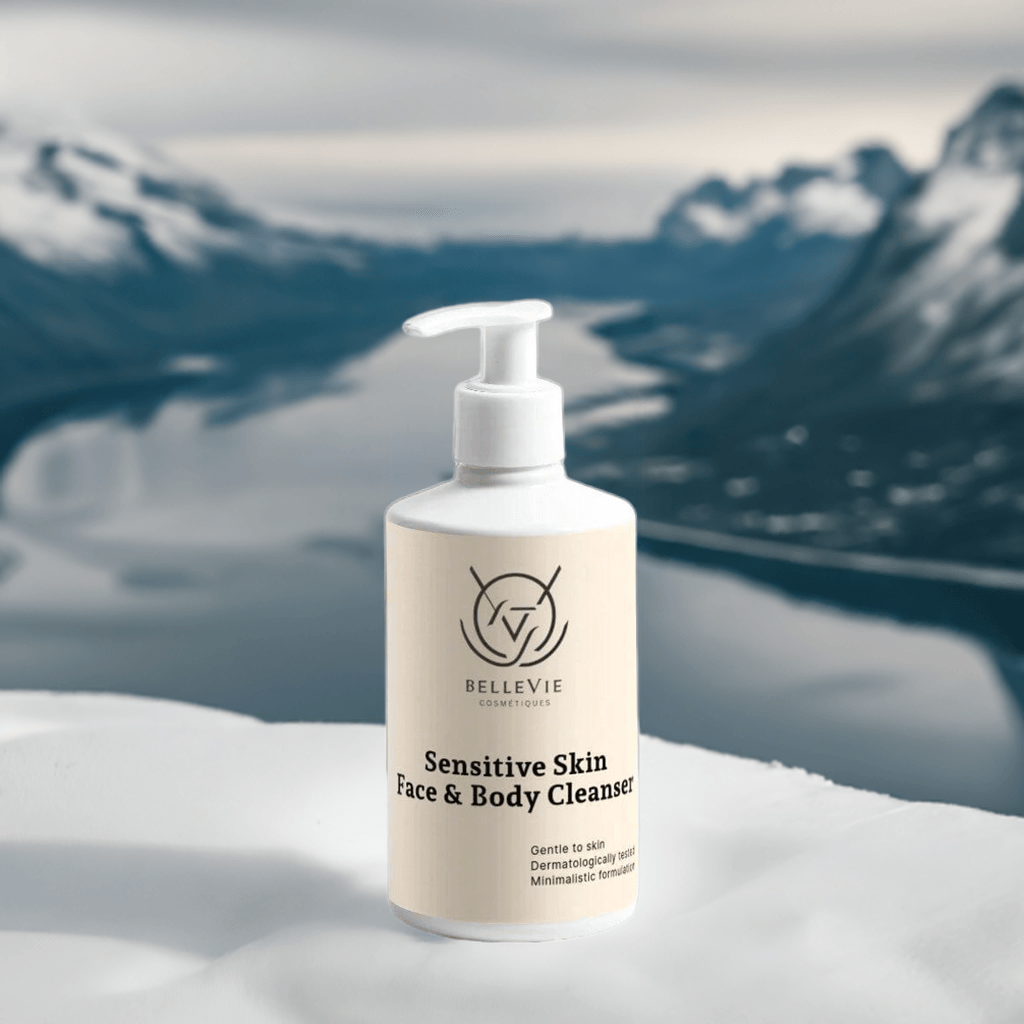
For businesses building a retail edit, there is real value in choosing a partner that understands both sides of the mirror. BelleVie Cosmetic is one example of that balance - vegan, cruelty-free, EU-made, and built around concerns people actually talk about, from dullness and dehydration to fine lines, scalp discomfort, and barrier stress. The formulas feel refined, but the promise is simple: skin and hair that look healthier, softer, and more alive.
If you are refining your assortment, this is the moment to think beyond trend labels and ask what customers will genuinely come back for. Explore clean beauty and anti-aging focused collections that pair premium texture with credible performance, and build your shelves around products people want to finish, not just try.
The best wholesale decisions usually feel obvious only after the results start showing - in the mirror, in repeat orders, and in the quiet confidence of a customer who has finally found something that fits.