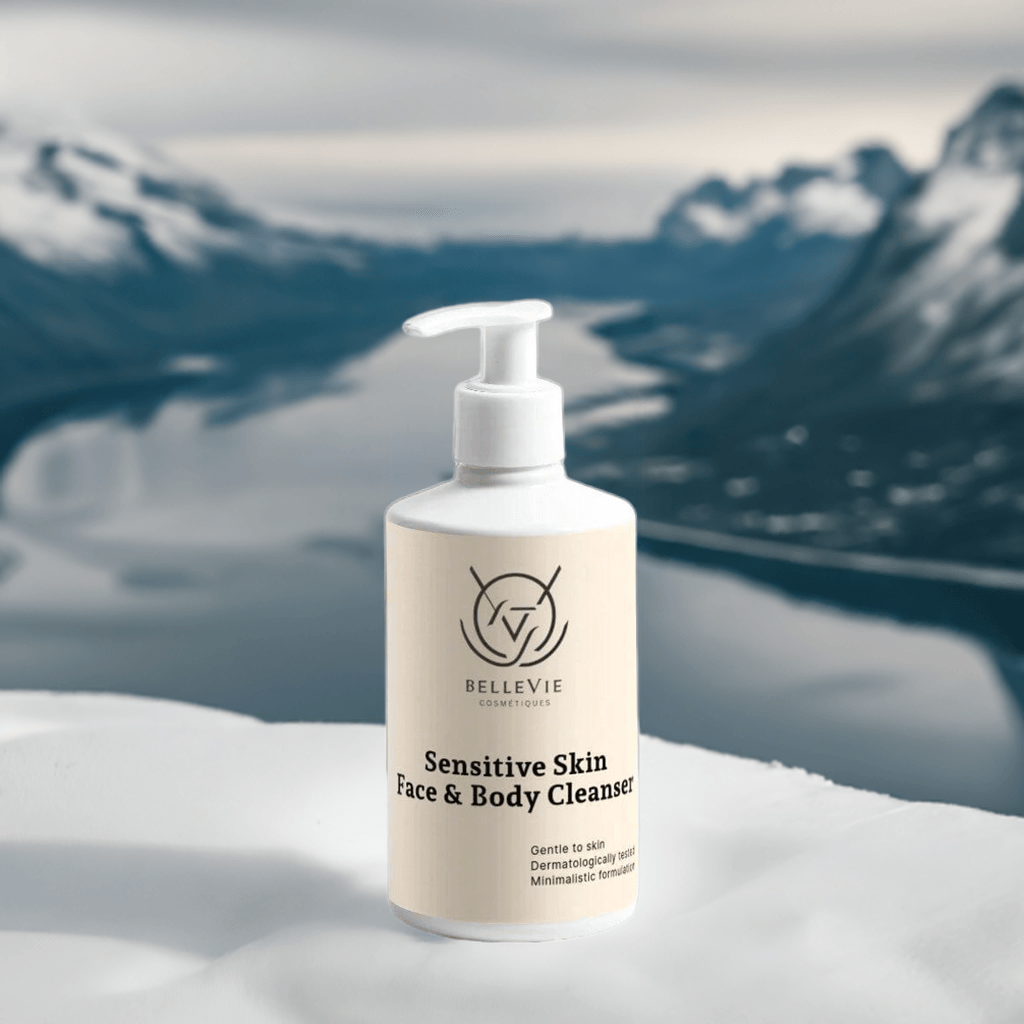


Some cleansers leave skin feeling fresh. Others leave it feeling strangely smaller, as if your face has been polished a little too hard. That is usually where the real question begins: cream cleanser or gel cleanser? The answer is less about trend and more about texture, skin behavior, and what you want your cleansing step to do before the rest of your routine begins.
A cleanser does more than remove the day. It sets the tone for everything that follows, from hydration to radiance to how comfortably your skin carries active ingredients. When the formula is right, skin feels calm, supple, and receptive. When it is wrong, even a beautiful serum can feel like an apology.
Cream cleanser or gel cleanser: what changes on skin
The difference starts with feel, but it does not end there. A cream cleanser usually has a richer, silk-soft texture designed to lift away makeup, sunscreen, excess oil, and daily buildup without leaving skin stripped. It tends to cushion the skin barrier and is often favored by anyone who wants cleansing to feel nurturing rather than brisk.
A gel cleanser is lighter, clearer, and often more refreshing on contact. It typically gives that just-washed sensation many people associate with a very clean face. On combination or oil-prone skin, that clarity can feel especially satisfying, particularly in humid weather or after exercise.
Neither texture is inherently better. The real distinction is what your skin feels like afterward. If your complexion looks brighter but also feels tight, your cleanser may be taking too much with it. If your skin feels comfortable yet still slightly coated, it may not be cleansing deeply enough for your needs.
The case for cream cleanser
There is a reason cream cleansers have become a quiet staple in modern clean beauty routines. They are often the formula people return to after experimenting with stronger foams and brisker washes. Skin that once felt shiny by noon but parched by evening often is not asking for harsher cleansing. It is asking for balance.
A well-made cream cleanser suits dry, sensitive, and mature skin beautifully, but it can also work for normal and combination skin that has been over-cleansed. The finish is usually soft rather than squeaky. That matters because a healthy-looking glow rarely begins with tightness.
If your skin tends to look dull, feel reactive in colder months, or show fine dehydration lines after washing, a cream cleanser can shift the entire mood of your routine. Before, the face may feel clean for five minutes and uncomfortable for the next five hours. After a gentler cleansing approach, skin often looks more even, holds hydration better, and feels less dependent on heavy layering to recover.
This is especially relevant if your routine includes ingredients chosen for radiance and renewal. Skin that has been cleansed with respect is simply more receptive. That is one reason many people exploring natural skincare start by rethinking the cleanser first rather than chasing stronger actives later.
When gel cleanser makes more sense
Gel cleanser earns its place for good reason. If your skin produces more oil through the T-zone, feels congested after long days, or simply prefers a cleaner, lighter finish, gel textures can be ideal. They suit warmer climates, post-workout cleansing, and routines where you want freshness without heaviness.
For many people, especially younger skin types or those with combination patterns, a gel cleanser helps the complexion look clearer and more refined. It can make morning cleansing feel energizing and evening cleansing feel complete. The key is choosing one that cleans effectively without tipping into that over-washed look.
There is a common before-and-after story here too. Before finding the right gel cleanser, skin can swing between shine and tightness, with a surface that looks busy rather than balanced. After switching to a gentler gel texture, the skin often appears cleaner, smoother, and less stressed, with less need to compensate using rich creams it never truly wanted.
If that sounds familiar, browsing a curated cleansers and toners collection can help narrow the field toward formulas that refresh while still respecting the skin barrier.
Skin type matters, but so does skin season
People often ask which cleanser belongs to which skin type, but skin is not static. January skin is not August skin. Travel skin is not home skin. Hormones, indoor heating, stress, sleep, and actives all shift the answer.
That is why cream cleanser or gel cleanser is sometimes the wrong framing if treated as a permanent identity. You may be a gel-cleanser person in summer and a cream-cleanser person in winter. You may prefer cream at night for comfort and gel in the morning for freshness. You may even want one texture on days focused on hydration and another on days when your skin feels heavier with buildup.
This more flexible approach tends to produce better long-term results than forcing the same formula year-round. Skin responds well when routine choices reflect what it actually needs now, not what it needed six months ago.
For mature or visibly tired skin, that seasonal awareness becomes even more valuable. Cleansing too aggressively can make the complexion look flatter and less luminous, while a more cushioning formula supports the look of softness and bounce. In those moments, pairing a gentle cleanser with an anti-aging skincare routine rich in bio-retinol alternatives and peptides often makes the complexion look noticeably more rested.
Sensitive skin is not always dry skin
One of the most common misunderstandings in cleansing is assuming sensitive skin must always use cream textures. Often that is true, but not always. Some sensitive skin dislikes heavy residue as much as it dislikes harsh surfactants. In that case, a mild gel cleanser can feel cleaner and more comfortable than a dense cream.
The better question is not simply, is my skin sensitive? It is, what kind of sensitivity am I seeing? If your skin flushes easily, feels fragile, or stings when routines become too active, cream may be the more comforting choice. If your skin feels reactive mainly when it is overloaded, a lightweight gel may actually restore balance more effectively.
This is where clean beauty formulation matters. Thoughtful vegan formulas, botanical oils, and radiance-supporting ingredients can elevate either texture, turning cleansing from a functional step into a skin-respecting ritual. Within a broader clean beauty approach, the goal is not drama. It is consistency, comfort, and visible ease.
How cleansing affects glow, not just cleanliness
People chasing glow often focus on vitamin C, exfoliation, or facial oils, and those can all play a role. But glow is harder to build on a stressed canvas. If cleansing leaves the skin uneven, dehydrated, or unsettled, luminosity becomes more difficult to maintain.
A cream cleanser supports glow by helping preserve comfort and softness. A gel cleanser supports glow by refining away excess residue that can leave the skin looking flat. The right one depends on what is dimming your radiance in the first place.
If your skin tends to look tired and papery after washing, cream is usually the more elegant answer. If it looks greasy, congested, or dull beneath a layer of buildup, gel may reveal a fresher surface. Both paths can lead to a luminous finish when matched correctly.
That is why building from the face care category rather than chasing single hero products often creates a more coherent routine. Cleanser texture shapes how every step after it performs.
For beauty founders, texture is strategy too
For private label buyers and professional partners, the cream-versus-gel conversation is not only about skin preference. It is also about customer intent. Cream cleansers speak to hydration, comfort, barrier-minded routines, and premium ritual. Gel cleansers speak to freshness, clarity, simplicity, and daily reset.
Both have strong commercial logic in a modern natural skincare line, especially when audiences are ingredient-aware and looking for vegan, cruelty-free, EU-made formulas. Texture tells a story before the ingredient panel ever does. For brands developing a cleanser range, understanding that emotional and sensory difference can shape a stronger assortment from the start.
BelleVie Cosmetic reflects that balance well across a broader clean beauty philosophy - efficacy with comfort, sensorial appeal with compliance-ready formulation. For founders looking to build with that standard in mind, the formula category itself becomes part of the brand language.
So which one should you choose?
Choose cream if your skin leans dry, mature, easily unsettled, or simply happier when cleansing feels soft and replenishing. Choose gel if your skin prefers a lighter touch, tends toward visible oiliness, or feels best with a crisp, clean finish. If you are somewhere in the middle, you do not need to be loyal to one texture forever.
The best cleanse is the one that leaves your skin feeling quietly right - not squeaky, not coated, not confused. Just comfortable, fresh, and ready for the rest of your ritual.
If your current cleanser makes your skin feel like it needs rescuing, that is your answer already. Explore the textures and formulas that align with your skin’s real behavior, whether you are refining a personal routine through a natural facial cleanser and toner collection or developing a compliance-ready clean beauty range for your own customers. A better cleanse does not announce itself loudly. You see it later, in softer texture, steadier radiance, and skin that finally stops arguing with the mirror.